 Cartilage
 Knees
Knees Hip
Hip Shoulder
Comprehensive Ankle Cartilage Repair Integrating Clinical Expertise and Lifestyle
17/02/26


Introduction
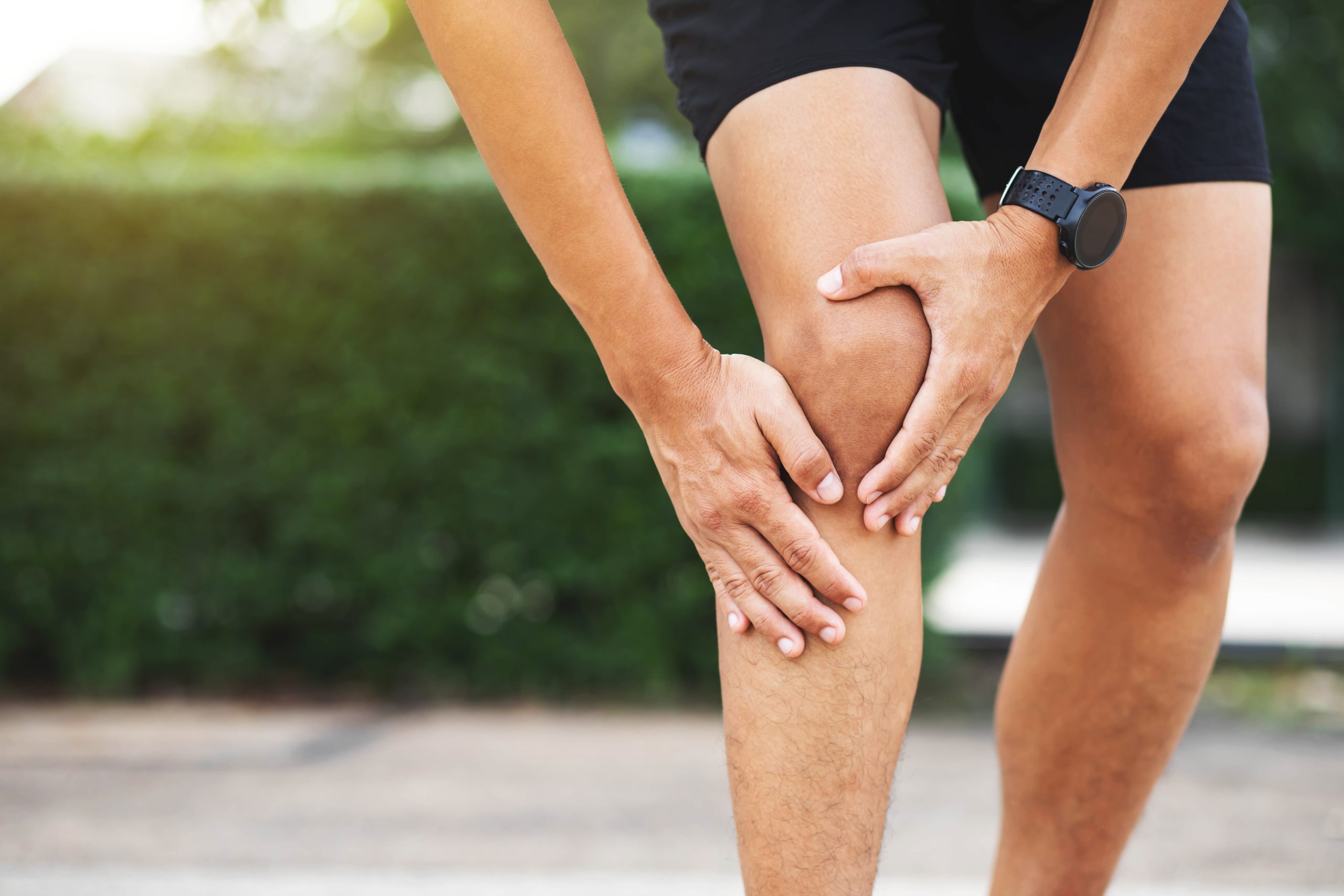
Knee cartilage plays a crucial part in keeping our joints moving smoothly and pain-free. It cushions the bones in the knee so that walking, running, and bending don’t cause discomfort. When this cartilage becomes damaged or wears down, it can significantly reduce mobility and quality of life. Understandably, many people are eager to find natural ways to restore or regenerate this protective tissue—turning to specific diets, supplements, and lifestyle changes. In this article, we’ll explore some common myths, share what science says, and help you understand what’s realistically achievable without surgery.
Knee cartilage is a smooth, tough tissue that coats the ends of bones in the knee joint. Its main job is to absorb shock and let bones glide over each other effortlessly. One major challenge is that knee cartilage doesn’t heal easily. Unlike other tissues, it has no direct blood supply, so nutrients and repair cells take a long time to reach it. Plus, the cells in cartilage regenerate slowly.
Cartilage damage can happen for many reasons—injuries, “wear and tear” from osteoarthritis, or just the natural ageing process. Professor Paul Lee, an experienced orthopaedic surgeon, highlights that although the body can naturally repair cartilage to a small degree, its ability to fully regenerate is very limited. That’s why understanding the realistic possibilities and treatment options is so important.
You may have heard about special diets or foods that can “heal” knee cartilage. Foods rich in antioxidants and nutrients like vitamin C (important for collagen production), vitamin D (crucial for bone health), and omega-3 fatty acids (which help reduce joint inflammation) are often recommended. Collagen supplements are also popular for joint support.
While these nutrients are certainly good for overall joint health, scientific studies show they don’t actually regrow damaged cartilage. What they can do is help maintain the cartilage you have and potentially slow down further wear. The London Cartilage Clinic offers patients reliable, evidence-based guidance to make smart lifestyle choices without unrealistic expectations.
Supplements like glucosamine and chondroitin often claim to rebuild cartilage naturally. These are components found in cartilage and have been researched extensively. However, clinical studies reveal that while some people experience less pain or improved joint comfort, there’s little consistent evidence that they actually rebuild cartilage in a meaningful way.
Many reviewed studies conclude that these supplements do not produce reliable or significant regeneration of knee cartilage tissue measurable by imaging or biological markers. Therefore, claims promising “regrowing knee cartilage naturally” through supplements should be treated with caution. Professor Paul Lee and the team at the London Cartilage Clinic stress the importance of looking at scientific data critically, balancing personal anecdotes with solid evidence to help people understand what’s realistically possible.
Certain lifestyle habits can support your knee joint and help preserve the cartilage you still have. Regular, low-impact exercise encourages the cartilage cells to stay active. Maintaining a healthy weight reduces the pressure on your knees, and avoiding repetitive joint injury helps stop further damage.
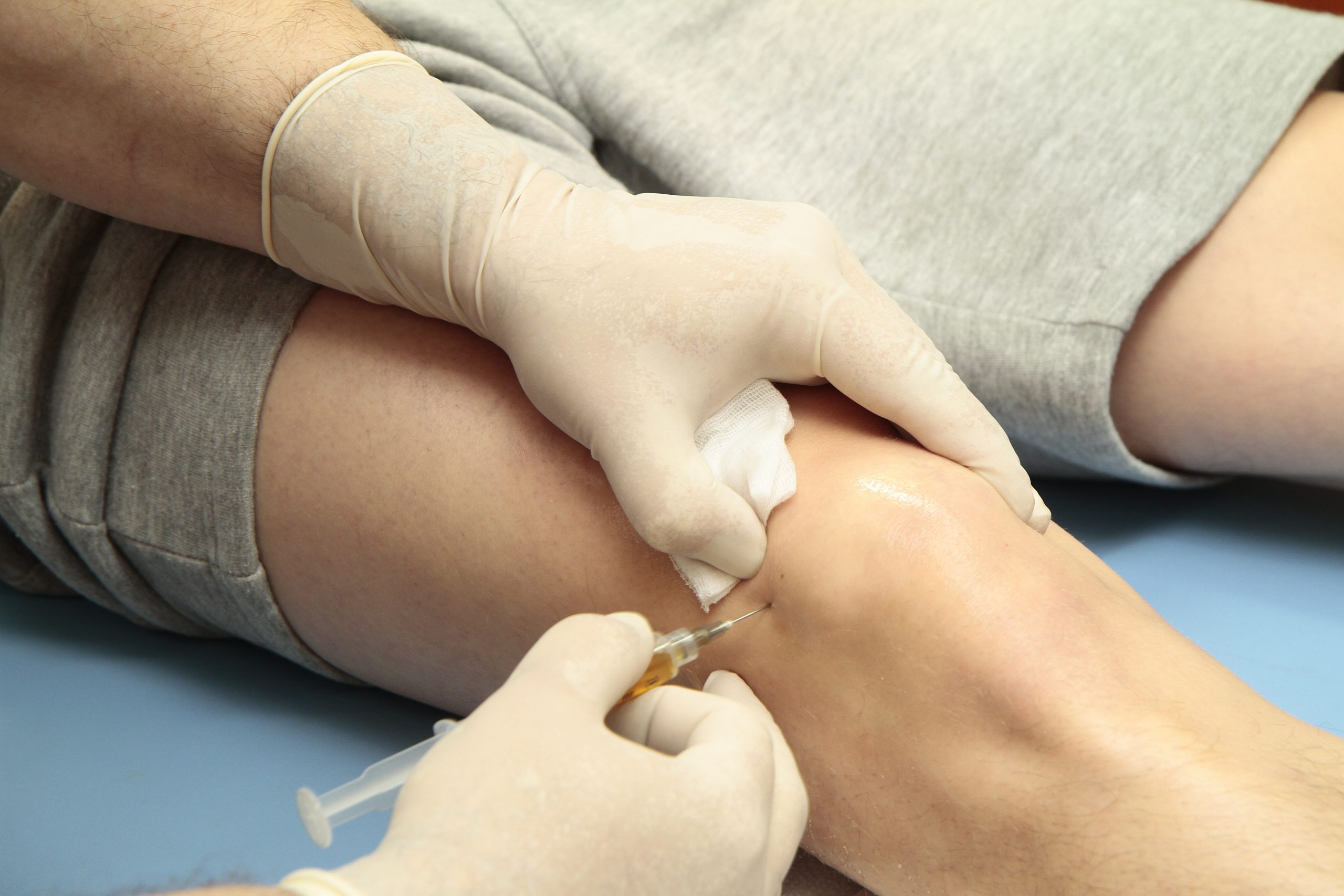
But when cartilage loss is significant, natural healing can only do so much. Medical treatments may then be needed. Advances include cells, scaffolds, and injectable agents that help repair cartilage. For example, research describes ChondroFiller® Liquid—a cell-free collagen gel that forms a protective layer over cartilage defects and stimulates chondrocyte growth to aid cartilage regeneration.
One study reported “an improvement in pain symptoms, associated with an increase in strength in grip and pincer movements” after treatment with this product. However, this was specific to thumb joint osteoarthritis and highlights that such treatments are designed for controlled clinical settings—not as a natural remedy for knees.
In reality, “regeneration” often means slowing cartilage breakdown or improving joint function—not fully restoring damaged cartilage. Expert guidance from clinicians like Professor Paul Lee helps set realistic expectations and ensures patients receive personalised support suited to their condition.
Conclusion
Knee cartilage is a special tissue that’s difficult to heal because it lacks its own blood supply and regenerates slowly. While a balanced diet rich in vitamins and nutrients supports joint health, there’s currently no reliable evidence these approaches regenerate damaged cartilage. Supplements may relieve symptoms for some but don’t reliably rebuild cartilage. Healthy lifestyle choices can maintain existing cartilage and slow deterioration, yet significant damage often requires professional treatment.
If you have concerns about your knee health, it’s best to seek advice from a qualified healthcare professional experienced in joint preservation, such as Professor Paul Lee at the London Cartilage Clinic. Understanding your options—and what’s realistically possible—helps you make the best decisions for your wellbeing.
For personalised medical advice, please consult a qualified healthcare professional.
Knee cartilage is tough and lacks a direct blood supply, which makes natural healing slow and limited. Professor Paul Lee highlights that while minor repair is possible, full regeneration is rarely achievable on its own without medical intervention.
While a nutritious diet rich in vitamin C, vitamin D, and omega-3 supports joint health, current research shows these cannot regrow damaged cartilage. The London Cartilage Clinic advises on lifestyle choices but sets realistic expectations about natural cartilage regeneration.
Supplements such as glucosamine and chondroitin are widely discussed, but studies show they do not consistently rebuild cartilage. Professor Paul Lee stresses that claims of full natural regrowth through supplements should be viewed with caution and examined critically.
The London Cartilage Clinic, led by Prof Paul Lee, provides leading-edge treatments designed to repair and preserve cartilage. This includes cell-based therapies and innovative scaffolds for specific cases—always tailored with evidence-based expertise to the individual patient’s needs.
Professor Paul Lee is a recognised cartilage expert with significant experience and honorary roles, including Royal College of Surgeons ambassador. The clinic delivers excellence in joint preservation, offering personalised, evidence-based treatment supported by Professor Lee’s advanced surgical knowledge.
All our treatments are selected to help patients achieve the best possible outcomes and return to the quality of life they deserve. Get in touch if you have any questions.
At London Cartilage Clinic, we are constantly staying up-to-date on the latest treatment options for knee injuries and ongoing knee health issues. As a result, our patients have access to the best equipment, techniques, and expertise in the field, whether it’s for cartilage repair, regeneration, or replacement.
For the best in patient care and cartilage knowledge, contact London Cartilage Clinic today.
At London Cartilage Clinic, our team has spent years gaining an in-depth understanding of human biology and the skills necessary to provide a wide range of cartilage treatments. It’s our mission to administer comprehensive care through innovative solutions targeted at key areas, including cartilage injuries. During an initial consultation, one of our medical professionals will establish which path forward is best for you.
Contact us if you have any questions about the various treatment methods on offer.
Legal & Medical Disclaimer
This article is written by an independent contributor and reflects their own views and experience, not necessarily those of londoncartilage.com. It is provided for general information and education only and does not constitute medical advice, diagnosis, or treatment.
Always seek personalised advice from a qualified healthcare professional before making decisions about your health. londoncartilage.com accepts no responsibility for errors, omissions, third-party content, or any loss, damage, or injury arising from reliance on this material. If you believe this article contains inaccurate or infringing content, please contact us at [email protected].